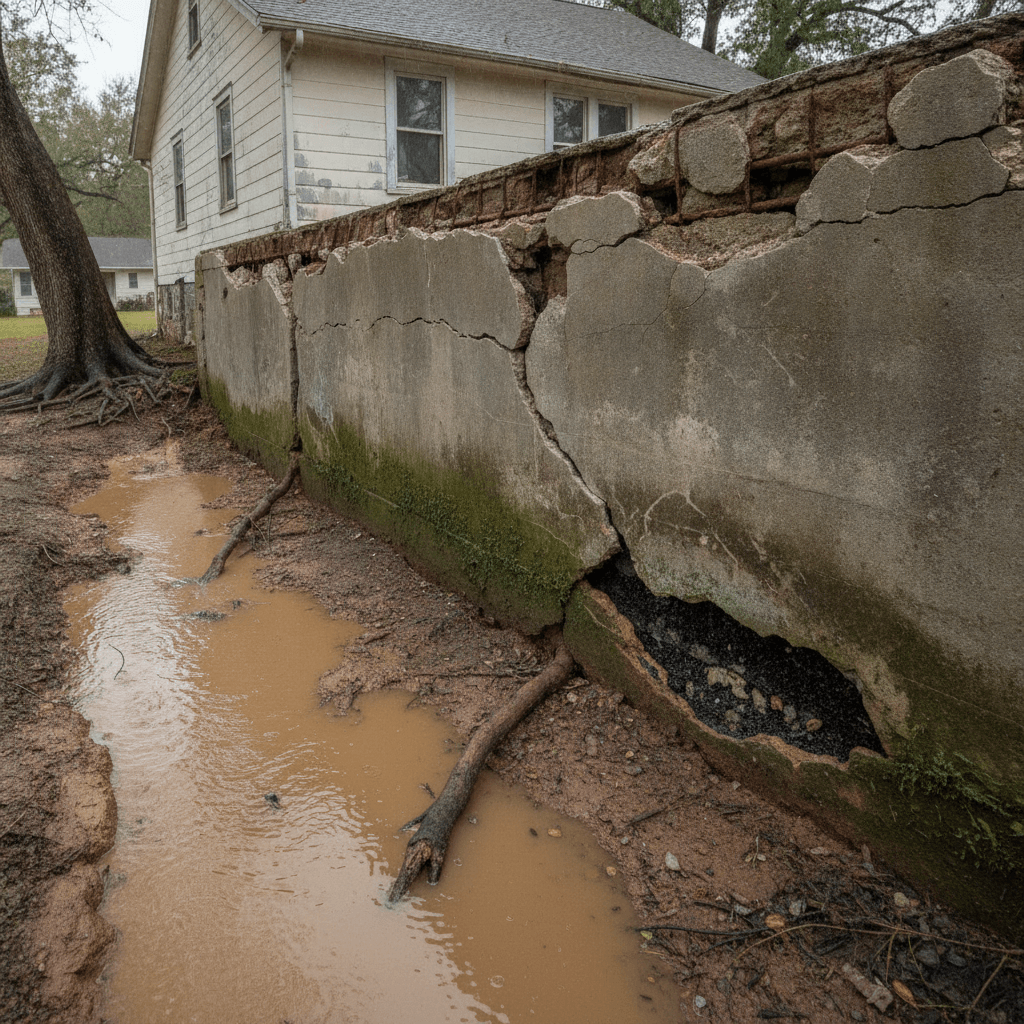
Foundation water is a silent threat to any home. It can creep in unseen and cause serious damage over time. Many homeowners do not recognize the subtle warning signs until significant problems arise. This water can weaken your home’s very structure and create unhealthy living conditions. It is a issue that requires immediate attention and understanding.
I have seen firsthand the devastating effects of unaddressed foundation water. It is not just about a damp basement or a small crack. The dangers run deep and can impact everything from your home’s structural integrity to your family’s health. My goal here is to explain these risks clearly so you can protect your property and peace of mind.
Understanding How Foundation Water Damage Starts
Water damage to a foundation often begins subtly. It might come from prolonged heavy rain or something as common as a leaky pipe underground. Poor drainage around your house also contributes significantly to this issue. When water collects near the foundation, it seeps into the soil. This saturated soil then presses against your foundation walls.
Over time, this constant pressure and moisture compromise the concrete and masonry. Small cracks can form and expand. These cracks then act as pathways for more water to enter your home’s foundation. It creates a cycle of damage that worsens with each rainfall or leak. Identifying the source early is key.
Common Entry Points for Water
Water finds its way into foundations through various weak spots. These include hairline cracks in the concrete, mortar joints that have deteriorated, and even porous block materials. Basement windows and doors are also common entry points if their seals are faulty or if grading directs water towards them. I have seen water enter through expansion joints in the slab or where utilities penetrate the foundation walls. Each of these openings, no matter how small, offers an invitation for water to intrude.
Another major culprit is a compromised perimeter drain system. If the drains meant to channel water away from the foundation become clogged or damaged, water will pool instead. This pooling directly increases the hydrostatic pressure on your foundation. We often find that older homes lack adequate exterior waterproofing which makes them more vulnerable to these entry points.
The Role of Soil Expansion and Contraction
The soil around your home plays a critical role in foundation water problems. Many parts of the country have clay soils. Clay soil absorbs a lot of water and then expands. When it dries out, it shrinks. This constant cycle of expansion and contraction puts immense stress on your foundation. It pushes and pulls at the concrete causing cracks and movement.
This soil movement is a major contributor to foundation damage. During dry periods, the soil pulls away creating gaps. Then, when it rains, water fills those gaps and rushes directly to the foundation. This dynamic causes different parts of your foundation to settle at varying rates which leads to uneven stress. Understanding your soil type can help you anticipate and prevent these issues.
Structural Risks of Foundation Water
The most immediate and severe danger of foundation water is structural compromise. When water continuously penetrates your foundation, it weakens the materials. Concrete can degrade, and steel rebar can rust. These processes lead to a loss of integrity in the very base of your home. It is a slow but steady deterioration that can have drastic consequences.
Your home relies on a stable foundation. Any shift or weakness in this foundation impacts the entire structure. Walls can bow, floors can become uneven, and doors and windows may stick. These are all signs that your foundation is struggling under the weight and pressure of water damage. Addressing these issues quickly is essential to avoid more costly repairs.
Visible Signs of Structural Damage
Look for specific indicators of structural damage caused by water. Cracks in your interior drywall or exterior brickwork are common. These cracks often appear in a stair-step pattern or diagonally. Floors that sag or feel bouncy also point to foundation movement. Doors and windows that no longer close properly can be a significant sign.
I have inspected many homes where homeowners noticed these signs but attributed them to normal house settling. This delay can lead to more extensive and expensive repairs. Be vigilant about any new cracks or changes in how your home functions. These might be the crucial warnings you need to prevent a catastrophe.
The Threat of Uneven Settlement
Uneven settlement is a particularly dangerous outcome of foundation water. When one part of the foundation is exposed to more moisture than another, it can cause the soil beneath to compact or swell unevenly. This leads to parts of your home sinking or rising at different rates. The entire structure becomes unbalanced.
This uneven movement places incredible strain on the entire frame of your house. It can warp support beams and compromise load-bearing walls. A building cannot stand strong if its base is moving inconsistently. Early intervention is the best way to prevent your home from suffering from this type of severe, widespread damage.
Health Hazards from Damp Foundations
Beyond structural issues, foundation water brings significant health risks into your home. A damp environment is a breeding ground for harmful organisms. Mold and mildew thrive in moist conditions, and a wet basement or crawl space provides the perfect habitat. These fungi release spores into the air, which can then circulate throughout your living spaces.
Exposure to mold spores can trigger a range of health problems. Many people experience allergic reactions like sneezing, coughing, and itchy eyes. Others might develop more serious respiratory issues such as asthma attacks or bronchitis. Young children and elderly individuals are especially vulnerable to these airborne irritants. I always advise clients to consider the health aspect a top priority.
Mold is not the only problem. The lingering musty odor associated with damp basements is a direct result of microbial growth. This smell indicates a problem that needs fixing. It is not just an unpleasant aroma. It is a sign of unhealthy air quality within your home. Eliminating the moisture source is the first step in improving indoor air quality and safeguarding your family’s health.
Pest infestations are another unfortunate consequence of foundation water. Many pests are attracted to damp, dark environments. Cockroaches, rodents, and termites all seek out moist conditions to nest and reproduce. If your foundation or crawl space is consistently wet, you are inviting these unwelcome guests into your home. These pests can carry diseases and cause additional damage to your property. Dealing with dampness reduces these risks.
Financial Implications and Repair Costs
The financial burden of foundation water damage can be substantial. What might start as a minor leak can quickly escalate into a repair project costing thousands of dollars. Foundation repairs are complex and require specialized knowledge and equipment. The longer the problem goes unaddressed, the higher these costs tend to be.
I have seen homeowners facing bills for foundation stabilization, crack injection, or even complete foundation replacement. These are not minor fixes. They often involve excavating around the home, shoring up walls, and extensive concrete work. These expenses can quickly deplete savings or require homeowners to take out loans.
Estimating Repair Expenses
The cost of repairing foundation water damage varies widely based on the extent of the damage and the method required. Minor crack repairs might be hundreds of dollars. But extensive structural repairs, like installing piers or helical piles, can reach tens of thousands. Mold remediation also adds to the expense.
Factors like the type of foundation, soil conditions, and accessibility for repairs all influence the final price. It is important to get multiple quotes from qualified professionals. A thorough inspection will help you understand the scope of work needed. This initial investment in a proper assessment can save you money in the long run by preventing recurring issues.
Preventing Future Financial Strain
Prevention is always less expensive than repair. Investing in good drainage systems, maintaining your gutters, and ensuring proper grading around your home are cost-effective measures. Regularly checking for plumbing leaks can also prevent significant water intrusion. These proactive steps reduce the likelihood of costly foundation problems developing.
Consider the long-term value of your home. Foundation problems can significantly decrease property value and make it difficult to sell. Addressing water issues promptly protects your investment. It is about smart homeownership and avoiding unexpected financial burdens. I always recommend putting a small amount aside for home maintenance to cover such eventualities.
Early Detection and Prevention Strategies
The best way to combat the dangers of foundation water is through early detection and proactive prevention. Many issues can be caught before they become major problems if homeowners are vigilant. Regular visual inspections are a simple yet powerful tool. Take the time to walk around your home’s exterior and inspect your basement or crawl space.
Look for any signs of standing water, dampness, or unusual odors. Check for cracks in the foundation walls or floor. Inspect your gutters to ensure they are clean and directing water away from the house. These small efforts can make a big difference in maintaining your foundation’s health and avoiding expensive future repairs. Early action saves money and headaches.
Simple Steps for Homeowners
Homeowners can implement several easy strategies to prevent foundation water issues. First, ensure your gutters and downspouts are clear of debris and extend at least five to ten feet away from your foundation. This directs rainwater effectively. Second, maintain proper grading around your house so the ground slopes away from the foundation.
Third, fix any plumbing leaks quickly. Even a small drip can introduce a surprising amount of water into the soil over time. Regular checks of exposed pipes and faucets are a good practice. Finally, be mindful of landscaping. Avoid planting large shrubs or trees too close to the foundation. Their roots can compromise pipes and foundations.
Professional Inspection Benefits
While DIY vigilance is good, professional inspections offer a deeper level of insight. A qualified foundation specialist can identify subtle signs of water intrusion or structural stress that a homeowner might miss. They use specialized tools and expertise to assess the current condition of your foundation and pinpoint potential vulnerabilities.
These experts can also advise you on the best preventive measures tailored to your home and local environment. Their knowledge is invaluable in areas with specific soil types or weather patterns. Understanding how long a slab leak goes undetected is critical, as these hidden leaks can cause extensive damage before you even notice a problem. Professionals are equipped to find and address such hidden dangers. Getting a professional opinion gives you peace of mind and ensures thorough protection for your home.
Advanced Solutions for Foundation Water Problems
When basic prevention is not enough, or if damage has already occurred, several advanced solutions can help. These systems are designed to manage water effectively and protect your foundation from further harm. It is important to choose the right solution based on the specific issues your home faces. Consulting with experts helps determine the best approach.
These solutions range from exterior waterproofing to interior drainage systems. Each method serves a distinct purpose in rerouting water away from vulnerable areas. They provide long-term protection and help restore the integrity of your home’s foundation. Investing in these advanced systems can prevent recurring problems and significantly extend the lifespan of your property.
One common solution involves installing exterior waterproofing. This typically includes excavating around the foundation walls and applying a waterproof coating or membrane. A drainage board might also be added to direct water down to a perimeter drain. This system works by preventing water from ever reaching your foundation walls, keeping them dry. It is a highly effective method for homes with persistent exterior water issues.
Interior drainage systems are another powerful tool. These systems collect water that has already seeped into the basement or crawl space. They typically consist of a trench dug around the interior perimeter, lined with a drainage pipe. This pipe channels collected water to a sump pump, which then pumps it out and away from the house. This method is excellent for managing water that bypasses exterior defenses.
Sump pumps are a crucial component of many interior drainage systems. They are designed to activate automatically when water levels rise, quickly removing water from your basement or crawl space. Having a reliable sump pump, often with a battery backup, provides critical protection during heavy rains or power outages. I consider a well-maintained sump pump to be an indispensable device for many homes.
Finally, crawl space encapsulation offers another layer of protection. This involves sealing off the crawl space from the outside elements with a heavy-duty vapor barrier. Encapsulation prevents moisture from rising from the ground and reduces humidity levels. It creates a drier, healthier environment and protects against wood rot, mold, and pest infestations. This holistic approach significantly improves the overall health of your home’s foundation and indoor air quality.
Conclusion: Protecting Your Home from Foundation Water Damage
The dangers of foundation water are real and can be severe. We have discussed how water infiltrates your home, leading to serious structural damage. This includes cracks in walls and floors and even uneven settlement. We also explored the hidden health risks such as mold growth and pest infestations. Ignoring these issues only leads to more expensive repairs and diminished property value in the long run. My experience shows that vigilance and proactive measures are always the best defense.
Protecting your home means understanding these threats and taking action. I encourage every homeowner to regularly inspect their property for signs of water intrusion. Simple steps like clean gutters and proper yard grading make a big difference. For persistent problems or when you suspect serious damage, do not hesitate to seek professional help. Experts can accurately diagnose issues and recommend the most effective solutions. Safeguard your investment and the health of your family by addressing foundation water dangers head-on today.